A wave of state-level legislation in 2025 is quietly reshaping how licensed cannabis markets intersect with occupational health policy - and dispensary operators in affected states need to be paying attention. From employment discrimination protections for medical cannabis patients to expanded clinical trials involving psilocybin, lawmakers are reaching beyond conventional treatment frameworks to address post-traumatic stress among firefighters, emergency medical workers, and police officers. The policy movement is uneven, state by state, but the direction is clear enough to matter for compliance-minded operators and the broader medical cannabis supply chain.
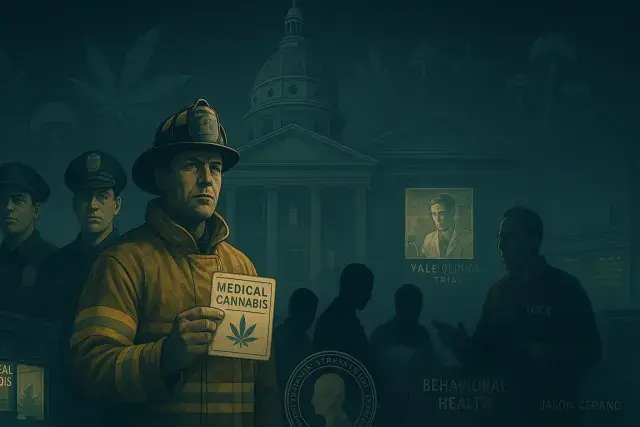
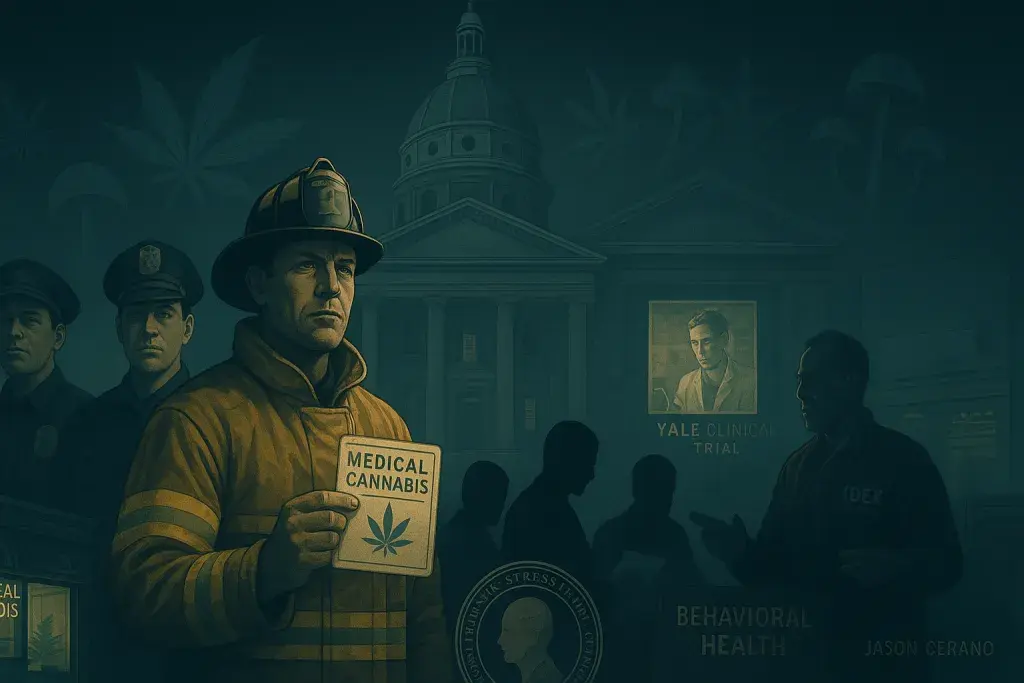
Maryland's new law offers the most direct implication for regulated retail. Effective this October, the statute bars employers from discriminating against firefighters, EMTs, paramedics, and other rescue workers for lawful off-duty use of medical marijuana - provided those employees are not impaired while on duty. The distinction the law draws is between the presence of cannabis metabolites in a drug test and actual, observable impairment. That is not a minor legal nuance; it reflects a growing recognition that cannabis metabolites can remain detectable long after any psychoactive effect has passed. For dispensary operators tracking their medical patient base, this kind of employment protection can meaningfully expand the pool of registered patients willing to participate in the program. Operators in states with similar regulatory momentum - including those managing cannabis POS for Nevada dispensaries, where medical program compliance carries its own documentation requirements - should watch how Maryland's enforcement framework develops, since analogous protections could follow in other jurisdictions.
Ohio took a different structural approach. Republican Gov. Mike DeWine signed legislation creating a Post-Traumatic Stress Injury Commission charged with reviewing applications from eligible first responders and helping cover treatment costs. The commission model keeps the focus on access and affordability rather than which specific therapies are approved - leaving room for medical cannabis and other modalities to fit within the framework as individual states' licensed programs permit.
The Psychedelic Research Thread Running Alongside
Connecticut and Missouri are both moving, at different speeds, into territory that goes beyond cannabis entirely. Connecticut expanded a Yale University pilot program studying psilocybin-assisted therapy, opening participation to any state resident 18 or older who meets the clinical criteria set by Yale's institutional review board. The program was previously limited to veterans, retired first responders, and frontline health care workers. Missouri legislators advanced a bill that would allow veterans and first responders enrolled in approved research studies to receive psilocybin and ibogaine under medical supervision - though the legislature adjourned in May before the bill reached the governor's desk.
The thing is, these psychedelic research bills and the cannabis employment protections are not competing stories. They are part of the same policy logic: the acknowledgment that first responders accumulate psychological trauma in ways that conventional treatment alone has not fully addressed. As Jason Cerrano, a retired firefighter and paramedic with more than 20 years of experience in Missouri - now director of commercial research and development at IDEX Fire & Safety - put it, repeated exposure to traumatic events means that, over time, "the crazy stuff starts to at least seem normal." That normalization is exactly what behavioral health researchers and policymakers are now trying to interrupt.
What This Means for the Medical Cannabis Operator
Employment protection laws like Maryland's do something specific for medical dispensary economics: they reduce the career risk that has historically discouraged first responders and other regulated-profession employees from registering as medical cannabis patients at all. When a firefighter or EMT believes that a positive drug test - regardless of on-duty impairment - could end their career, they avoid the licensed program entirely. That suppresses patient registration, which suppresses dispensary sales volume in the medical channel, which in turn affects operators' ability to justify maintaining a robust medical SKU selection and compliance infrastructure alongside adult-use inventory.
In practice, though, operators cannot treat a new state employment protection law as automatically resolving the compliance picture. Workplace drug-testing policies, collective bargaining agreements, and federal employment rules - particularly for workers in federally regulated roles - can all override state-level protections in ways that create real legal exposure for both employers and employees. Dispensary staff who interact directly with first-responder patients should understand those limits and stay out of the lane of advising patients on employment law. That is not a budtender's role; it is a conversation for an attorney.
The broader trend, across cannabis and emerging psychedelic research alike, points toward licensed medical programs being taken more seriously as tools within occupational health frameworks. For multi-state operators building out medical verticals, that is worth tracking - not as a marketing angle, but as a structural signal about where patient demand, regulatory protection, and policy investment are heading together.