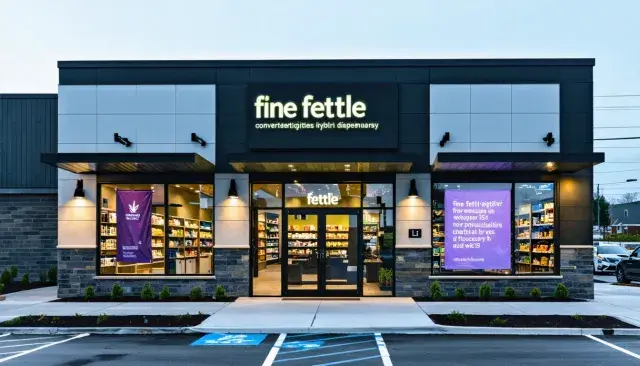
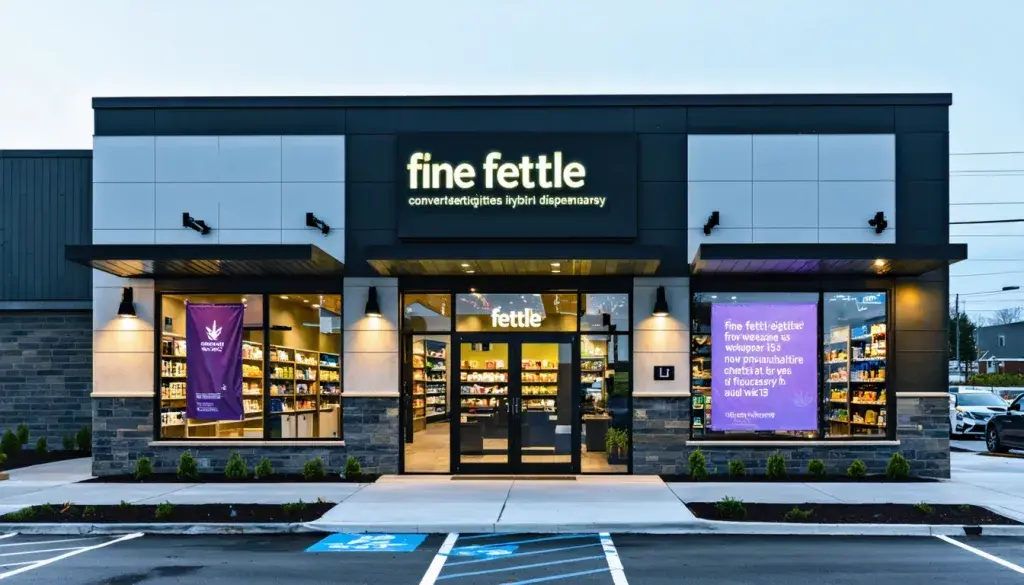
All nine Fine Fettle dispensaries across Connecticut will transition to hybrid facilities on January 15, enabling them to serve both medical patients and adult-use customers. This pivotal shift enhances patient access, streamlines operations, and bolsters the state's medical cannabis program amid evolving regulations.
Streamlining Access Through Hybrid Model
Fine Fettle's expansion responds to recent Connecticut cannabis legislation allowing recreational retailers to adopt hybrid status. Locations in Manchester, Norwalk, Old Saybrook, Waterbury, and West Hartford will now offer consultations with licensed pharmacists, both remote and in-person, preserving the program's emphasis on personalized care.
- Hybrid operations serve registered medical patients alongside adult-use buyers.
- Maintains high standards of quality, expertise, and compassionate service.
- Addresses regional gaps where medical options have been limited.
Regulatory Changes Driving the Shift
Connecticut's updated rules reflect a maturing cannabis market, prioritizing efficiency and equity. By unifying under a hybrid framework, Fine Fettle avoids fragmented services, reducing travel burdens for patients. Chief Operating Officer Benjamin Zachs emphasized, "This change allows us to continue fulfilling our mission of accessible, compassionate care while strengthening the state's medical program."
These conversions create operational synergies, potentially lowering costs and improving affordability—key in a landscape where medical cannabis demand has surged since recreational legalization in 2021.
Broader Implications for Health and Equity
This move underscores Connecticut's progression toward an inclusive cannabis ecosystem, connecting medical expertise with recreational growth. Patients gain reliable access without long drives, fostering better health outcomes in chronic pain management, anxiety relief, and other qualifying conditions. Zachs noted, "Patients shouldn't have to travel far for care or be stuck with limited options."
Industry-wide, hybrid models signal a trend toward integrated care, enhancing safety through regulated education and pharmacist oversight. As Fine Fettle leads, it sets a precedent for community-focused access, supporting public health by prioritizing well-being over pure commerce in a market projected to exceed $500 million annually by 2025.