Voters head to the polls on November 3, 2026, in races that will shape cannabis policy at every level of government. Federal rescheduling, state gubernatorial contests, and a handful of ballot measures all sit on the table, and the outcomes matter directly to operators, investors, and compliance teams trying to plan around a patchwork regulatory system that keeps shifting underfoot.
Federal Rescheduling Is Settled, For Now, But Legislation Remains Stalled
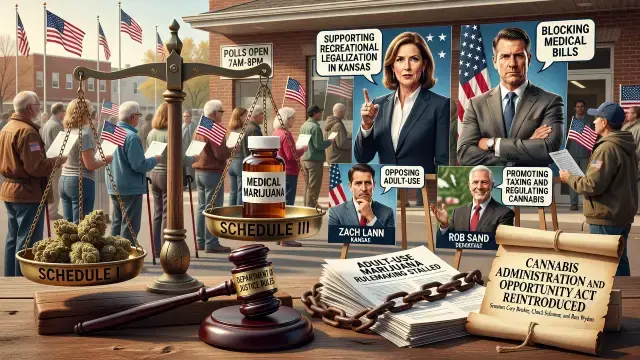
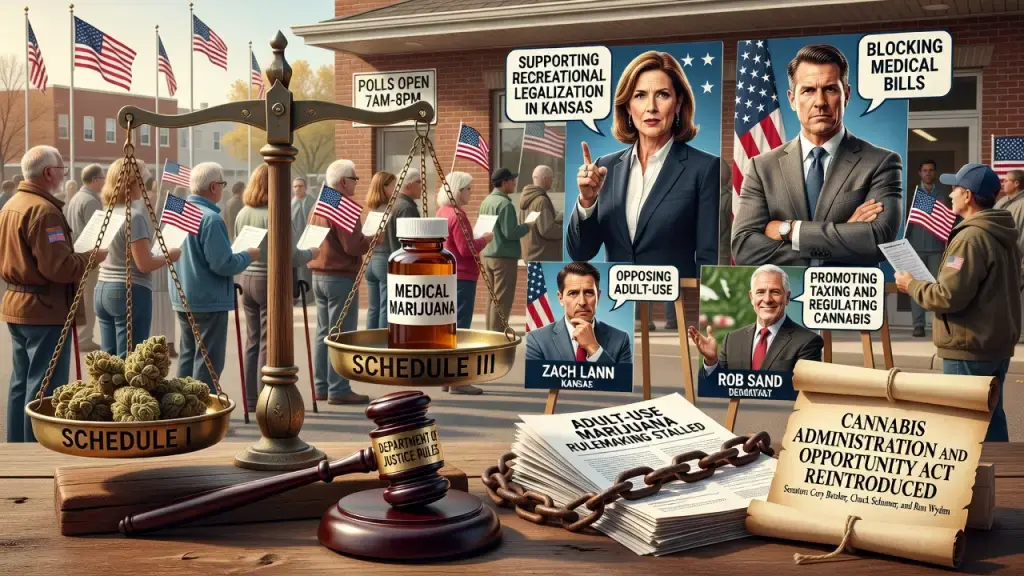
Medical marijuana moved from Schedule I to Schedule III back in April, via a Department of Justice final rule, and that placement is the operative rule today even as litigation continues. Adult-use marijuana hasn't followed; a rulemaking hearing that opened in June to consider the same move has since stalled amid opposition challenges. That gap between medical and adult-use scheduling creates a strange regulatory split that compliance officers and tax professionals will need to track closely, particularly where 280E exposure is concerned.
Separately, the looming ban on intoxicating hemp products and high-THC seeds, originally set for November 12, has been pushed to December 11. Industrial hemp stays legal under the definition that's traced back to the 2018 Farm Bill, though that definition is set for modest changes. For brands and wholesalers moving hemp-derived products through distribution, the revised deadline buys a little breathing room, not a reprieve.
On the legislative front, the Cannabis Administration and Opportunity Act is back in play, reintroduced this summer by Senators Booker, Schumer, and Wyden. Whether a Democratic majority in Congress would actually move it forward is a fair question - the bill has been reintroduced before, shelved before, and used as fundraising material before. A win for Democrats doesn't automatically translate into descheduling momentum, and industry money is already working against the broader version of that bill. Multistate operators including Trulieve, Curaleaf, Green Thumb Industries, and Verano Holdings have put millions into a Trump-aligned super PAC, signaling that some of the largest players in the business prefer the current Schedule III path over a more sweeping overhaul that includes restorative justice and labor provisions.
Governor's Races in Iowa and Kansas Split Sharply on Legalization
Thirty-six governorships are up for election this cycle, and two races stand out for cannabis watchers. In Kansas, Democratic candidate Cindy Holscher supports recreational legalization, while Republican Ty Masterson has a legislative record of blocking even medical marijuana bills. In Iowa, Republican Zach Lahn opposes adult-use legalization, while Democrat Rob Sand has made legalizing, taxing, and regulating adult-use cannabis part of his platform. For operators eyeing expansion into either state, the governor's chair will likely determine whether a licensing framework even gets drafted, let alone implemented.
Ballot Measures This Cycle Point Toward Rollback, Not Expansion
Only two cannabis-related ballot measures are on offer this November, and both move in the restrictive direction - a reminder that citizen initiatives aren't available everywhere. Only 21 states permit them, and most states that wanted to legalize through direct democracy have already done so.
- Idaho's HJR 4 would bar citizen-initiated measures touching marijuana, narcotics, or psychoactive substances entirely, routing any future reform exclusively through the state legislature.
- Massachusetts faces a measure that would repeal recreational marijuana sales and cultivation while keeping the medical program intact, permit possession up to one ounce without penalty, and impose civil penalties for one to two ounces.
If the Massachusetts measure passes, it would mark the first time voters reverse a state's own legalization vote - a result that would send a chilling signal to operators and investors in other adult-use markets, regardless of how isolated the outcome might be.
Local Races Carry Operational Weight Too
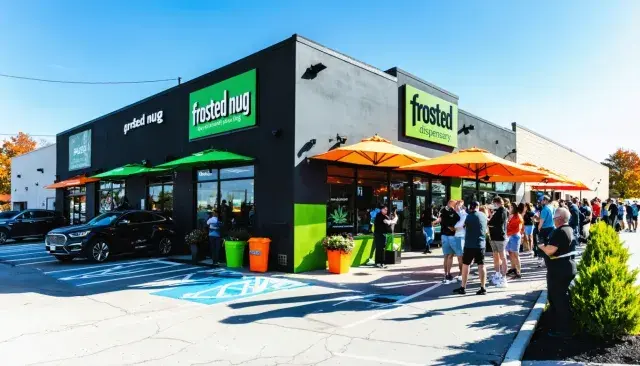
Municipal elections running alongside the midterms will decide local cannabis questions that rarely make national headlines but directly affect day-to-day operations - zoning for dispensary locations, local excise tax rates, caps on retail licenses, and whether a given city or county opts in or out of adult-use sales altogether. Operators and landlords with property already under lease or in the permitting pipeline would do well to track these local contests as closely as the headline races, since a single city council vote can undo months of site-selection work.