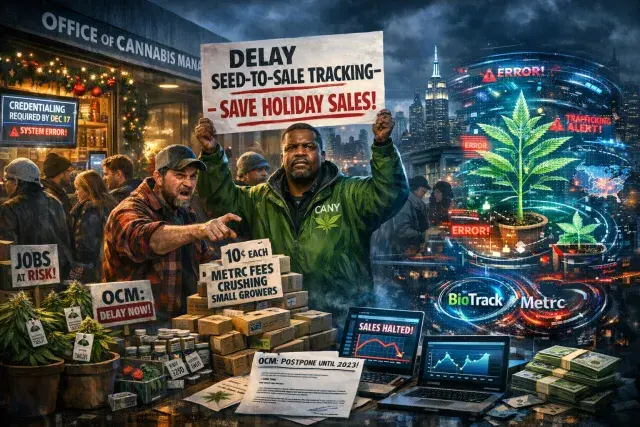
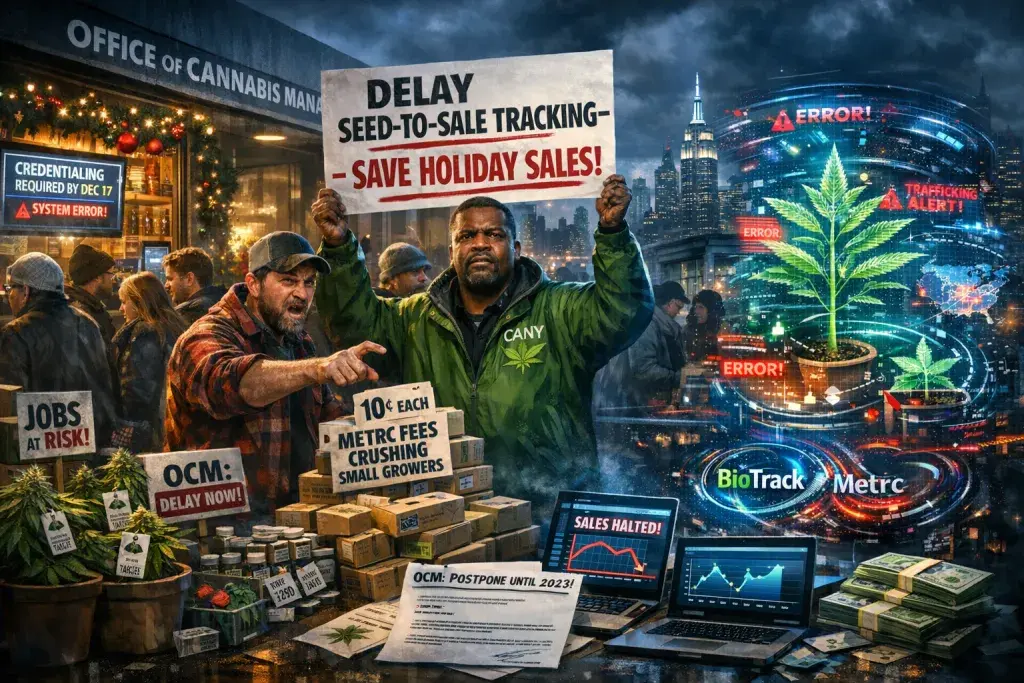
New York's cannabis industry faces turmoil as growers and retailers warn that the state's seed-to-sale tracking system, due to launch December 17, lacks readiness, potentially disrupting holiday sales and straining small businesses during peak season.
Industry Voices Demand Delay
The Cannabis Association of New York (CANY) has fired off a letter to the Office of Cannabis Management (OCM), urging a postponement until after the new year. CANY President Damien Cornwell highlighted the timing clash with the busiest retail period, arguing for "a little grace" to ensure smooth compliance without economic fallout.
- System tracks cannabis from seed planting to consumer purchase, aiming to curb illegal interstate trafficking.
- Retailers fear software glitches could halt sales, costing thousands in lost revenue.
- Compliance requires credentialing and inventory upload by December 17.
Delays Stem from Vendor Merger
The rollout hit snags after BioTrack merged with Metrc in August 2025, delaying the system by months and sparking litigation over unmet state mandates. This rushed deployment during holiday crunch amplifies risks for an industry still maturing in New York.
Small operators like Rochester farmer Zach Sarkis decry new retail ID tag fees at 10 cents each, ballooning costs into thousands and threatening viability. "We want to stay compliant, but we don't have the capital," Sarkis told media.
Vendor and State Push Forward
Metrc insists businesses can transfer inventory via point-of-sale integrations without sales interruptions, noting fees align with prior BioTrack contracts approved by regulators. OCM frames December 17 as an initial step, committing to partnership amid months of licensee communications.
Implications for Legal Market Stability
Beyond immediate disruptions, a botched launch risks eroding trust in New York's legal cannabis framework, vital for public health through product safety and diversion prevention. As the state scales its market—projected to rival mature ones like California—robust tracking fortifies consumer protection and undercuts illicit trade. A short delay could safeguard jobs, revenue, and long-term compliance, underscoring the need for agile policy in emerging industries.