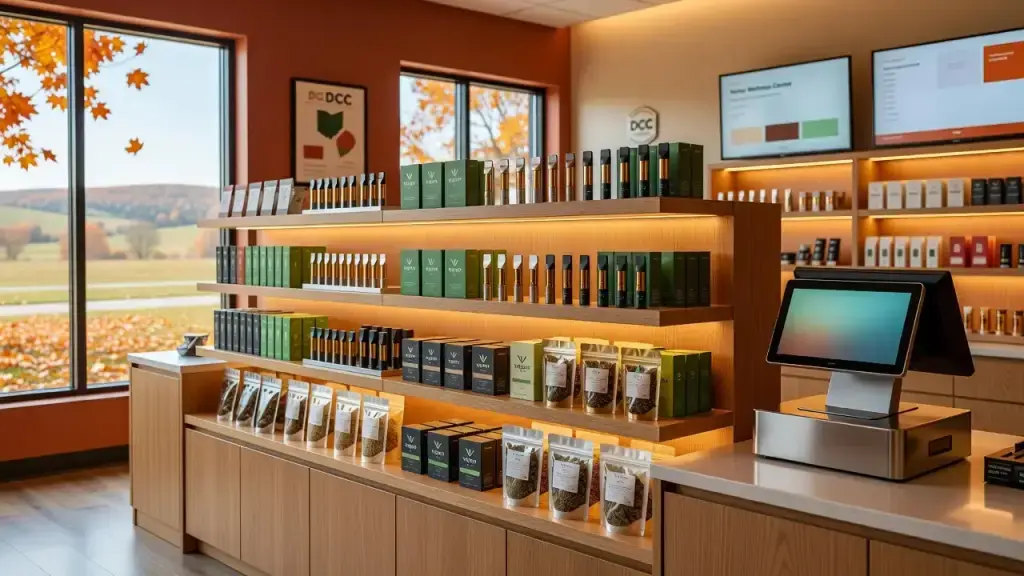
Vext Science, Inc. (CSE: VEXT) (OTCQX: VEXTF) said the Ohio Division of Cannabis Control has removed all sale restrictions on its Vapen-branded products, closing out a hold that began in September tied to its Herbal Wellness Center dispensary in Jackson, Ohio. The DCC released the hold on October 14, 2026, after reviewing testing data, and Vapen products are now moving back onto shelves across the Company's Ohio dispensaries and into its wholesale channel.
What triggered the hold
The DCC placed Vapen products on administrative hold on September 8 after receiving two reported adverse health events - a standard trigger mechanism regulators use when consumer-safety signals surface, regardless of whether a causal link to a specific product batch has been established. In a regulated cannabis market, that kind of hold is a blunt instrument by design: it pulls a product line out of circulation first and asks questions second, because the alternative - leaving a flagged product on dispensary shelves while testing is pending - carries more risk than the state is willing to accept. Vext says it cooperated with the review, including supplying product samples for independent lab testing, which is the expected posture for any operator facing this kind of scrutiny. Fighting a hold publicly rarely helps a brand's standing with regulators who control its license.
Why a five-week hold matters operationally
For a single-state or limited-market operator, a five-week product suspension is not a minor inconvenience - it's a direct hit to wholesale revenue, shelf space, and retail menu continuity. Dispensary operators carrying Vapen products had to rework their point-of-sale menus, adjust inventory allocations, and in some cases substitute competing SKUs to fill the gap, which is its own quiet cost: once a budroom shelf gets reassigned to another brand, winning that space back isn't automatic. Wholesale customers lose a revenue line they can't easily recover retroactively. The episode is a reminder that seed-to-sale tracking and batch-level compliance logs exist precisely for moments like this - they let a regulator isolate a hold to a specific product line rather than shutting down a retailer's entire operation while an investigation runs its course.
The compliance signal for other operators
What's notable here is less the hold itself than the resolution. The DCC's decision to lift restrictions after reviewing testing data suggests the independent analysis did not substantiate a broader product-safety concern tied to the reported events - though Vext's announcement does not detail the specific lab findings or what those adverse events involved. That distinction matters for how other multi-state operators and brand licensees think about their own testing protocols and COA documentation. A fast, cooperative response to a regulatory hold - sample submission, transparent engagement, no public pushback against the agency - tends to shorten the runway back to market. Operators who stonewall or dispute a hold publicly typically find the process drags longer, and the reputational cost compounds. Ohio's cannabis market, still maturing relative to longer-established adult-use states, is watching closely how the DCC handles these situations, since enforcement patterns set early tend to define expectations for the rest of the industry.
Where things stand now
Vext confirmed that all of its Ohio retail locations are fully open and that every product line authorized for sale in the state is now available. For dispensary operators and wholesale buyers, the practical takeaway is that Vapen inventory is back in the supply chain and restocking is underway. For the broader market, the episode underscores a basic operating reality in regulated cannabis retail: adverse-event reporting systems work, holds get issued fast, and the path back to full shelf access runs through testing data and regulatory cooperation - not public relations.