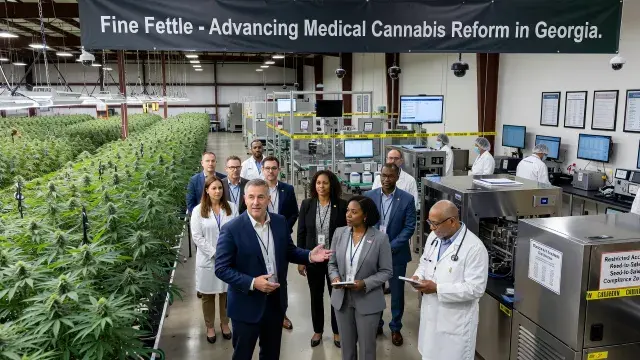
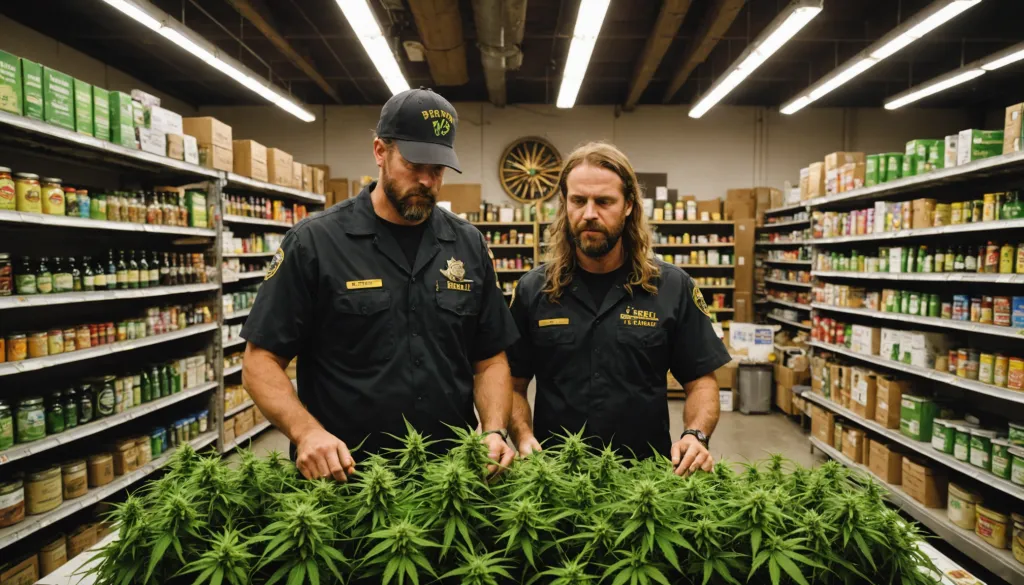
A federal deadline in December could reshape how hemp-derived products move through Pennsylvania retail shelves, and a Lancaster County business owner says the stakes go well beyond his own storefronts. Jake Sitler, founder of the hemp brand Endo and president of the Pennsylvania Hemp and Cannabis Guild, is opening new retail locations in Lancaster and Marietta even as Congress and state lawmakers weigh tighter restrictions - or an outright ban - on the intoxicating hemp products that have quietly become a billion-dollar category in the state.
The products at issue sit in a gray zone created by the 2018 Farm Bill, which legalized hemp cultivation and opened the door to CBD-infused beverages, gummies and topicals containing trace amounts of Delta-9 THC. That loophole is what allowed an entire consumer packaged goods sector to grow up alongside licensed medical and adult-use cannabis markets without the same seed-to-sale tracking, testing mandates, or age-verification infrastructure regulators now expect. It's a dynamic playing out across other regulated markets too - operators managing multi-channel fulfillment, for instance, increasingly rely on platforms like cannabis delivery software rhode island companies use to keep compliance logs and delivery manifests aligned with state rules, a level of operational discipline hemp retailers are only beginning to adopt voluntarily.
That gap is exactly what's drawing scrutiny. Pennsylvania Attorney General Dave Sunday has flagged the lack of regulatory oversight as his central concern, not the existence of hemp products themselves. Unlike licensed dispensaries, which operate under strict compliance regimes - mandatory lab testing, batch-level COAs, compliant packaging, and point-of-sale age checks tied to state tracking systems - many hemp retailers have operated with far less structure. Sitler says he posts 21-and-over signage voluntarily and supports regulation, but acknowledges the category has a reputation problem built by operators who cut corners.
What a Ban Would Mean for Farmers and Small Retailers
The policy debate isn't abstract for Pennsylvania's hemp supply chain. Farmers who shifted acreage into hemp cultivation after 2018, processors who built extraction facilities, and small retailers who developed wholesale menus around CBD and minor cannabinoids would all absorb the shock of a federal ban. Sitler's argument - that agricultural production and legitimate small businesses shouldn't be destroyed to close a regulatory loophole - reflects a broader tension playing out in statehouses nationally: how to rein in unregulated intoxicating hemp products without gutting an agricultural sector that predates most adult-use cannabis programs.
The Compliance Gap Regulators Want Closed
For state regulators, the core problem is consumer safety, not commerce. Products containing Delta-9 THC sold outside licensed dispensary channels often bypass the testing protocols, potency labeling, and inventory oversight that adult-use and medical cannabis operators must follow under their licenses. That mismatch creates real exposure - for consumers who may not know what they're buying, and for a hemp industry that now faces the possibility of federal restrictions written broadly enough to sweep up compliant operators along with bad actors. Whatever Congress decides by December, Pennsylvania's hemp retailers are watching a compliance reckoning arrive years after the products themselves hit store shelves.