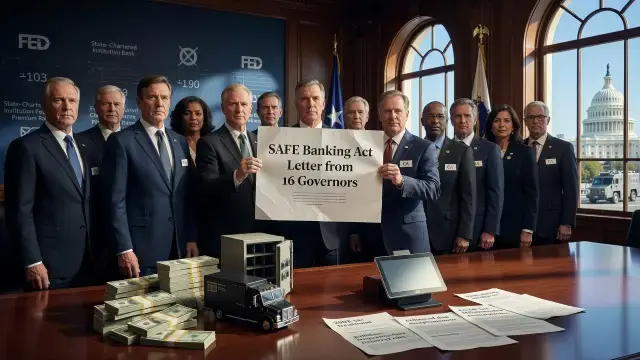
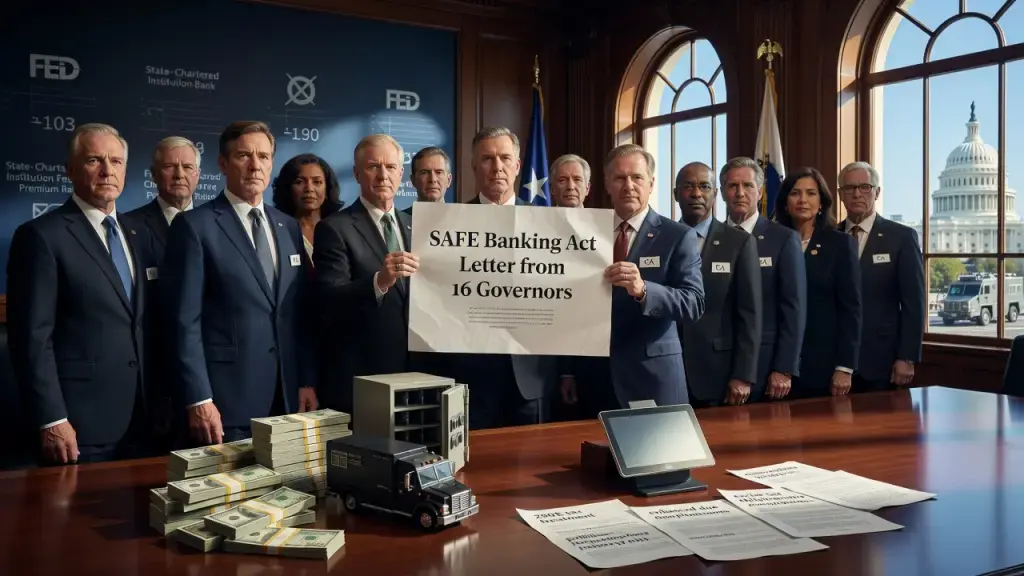
Sixteen Democratic governors, Massachusetts' Maura Healey among them, sent a letter to congressional leaders last week asking them to finally move the SAFE Banking Act. The bill has passed the U.S. House multiple times over the past several years and died each time in the Senate. What's notable this round isn't the ask itself - it's who's making it, and how the political ground under cannabis retail has shifted since the last serious push.
Why the Banking Gap Still Exists
Here's the structural problem the industry has lived with since adult-use sales began: cannabis remains federally illegal, so federally chartered banks largely steer clear of touching the money. Some state-chartered banks and credit unions run dedicated cannabis programs, but they're limited in number and often charge premium fees to offset compliance overhead - enhanced due diligence, suspicious activity reporting, and ongoing monitoring that a typical small-business account never requires. The result is an industry that's legal in most states but still treated, financially, as a liability line item.
That disconnect creates real operational drag. Dispensaries that can't get merchant processing rely on cash-heavy operations, which means armored transport costs, in-store safes, and security staffing that eat into margins already squeezed by 280E tax treatment at the federal level. State regulators aren't exempt either - the governors' letter notes that collecting excise tax revenue and licensing fees gets complicated when the proceeds are, technically, federally tainted cash.
The Public Safety Argument, and Its Limits
The letter leans on a familiar but legitimate point: cash-heavy retail locations are robbery targets, and employees carrying deposits are exposed in ways that card-based businesses aren't. Full banking access would also make financial crime easier to detect, since transactions running through regulated institutions leave an audit trail that cash doesn't. That's a fair argument, and it tracks with what operators have said for years. But it's worth being clear-eyed that SAFE Banking wouldn't resolve 280E, wouldn't reschedule cannabis, and wouldn't open interstate commerce. It's a narrower fix - access to deposit accounts, lending, and payment processing - not full normalization.
What a Massachusetts Signal Means Elsewhere
The timing matters because Massachusetts voters just rejected, by a wide margin, a ballot measure that would have unwound retail cannabis sales entirely. For multi-state operators and the banks that serve them, that result reads as a stability signal. Financial institutions chartered in states where the legal footing looks shaky have more reason to hesitate; a decisive vote in favor of the existing market gives Massachusetts-based banks less incentive to reconsider cannabis clients, in-state or out.
For dispensary owners and wholesalers, the practical takeaway is patience mixed with contingency planning. SAFE Banking has cleared the House before without becoming law, and there's no indication this Congress moves faster than the last one. Operators still need cash-management protocols, compliant point-of-sale systems that can handle whatever payment rails are available, and relationships with the limited set of financial institutions willing to bank cannabis revenue under current rules. The governors' letter adds political weight, but it doesn't change the calendar.